

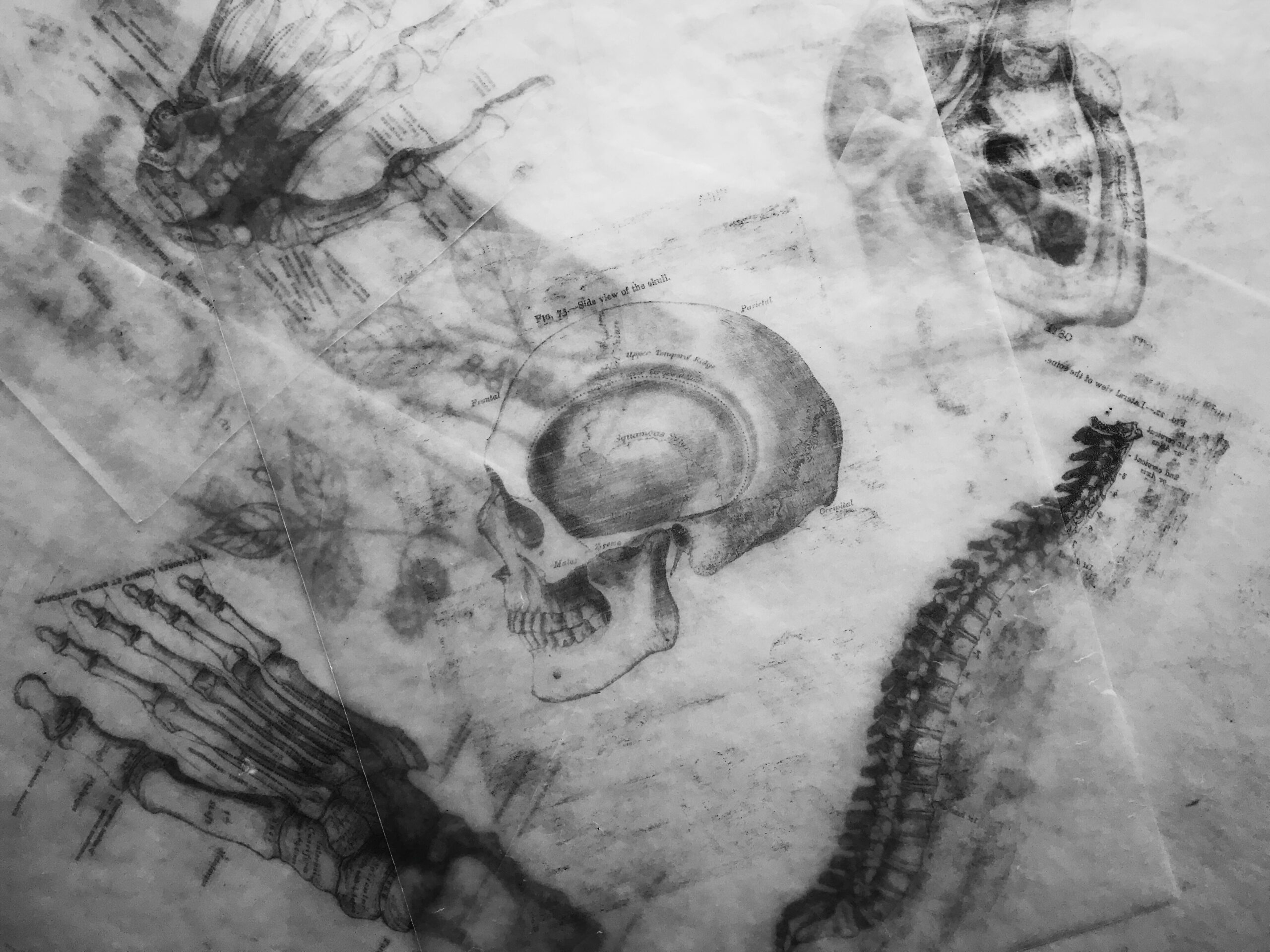
Introduction to the Skeletal System
The skeletal system serves as a crucial framework for the human body, performing vital functions that are indispensable for overall health and well-being. Comprising bones, cartilage, tendons, and ligaments, the skeletal system not only provides structural support but also allows for movement, protects vital organs, and plays a significant role in mineral storage.
One of the primary functions of the skeletal system is to support the body. The bones provide a rigid structure that supports the weight of the body and facilitates upright posture. This structural integrity enables the body to carry out various activities and movements efficiently. In addition, the skeletal system acts as an anchor for muscles, allowing for the coordinated movement needed for activities such as walking, running, and jumping.
Moreover, the skeletal system is essential for protecting vital internal organs. For instance, the rib cage safeguards the heart and lungs, whereas the skull encases the brain, providing a protective barrier against injury. These protective qualities highlight the importance of maintaining a healthy skeletal structure, as injuries or diseases affecting the bones can lead to serious complications.
Another critical function of the skeletal system is mineral storage, particularly of calcium and phosphorus. These minerals play a vital role in various bodily functions, including nerve conduction and muscle contraction. The bones act as a reservoir for these minerals, releasing them into the bloodstream as needed to maintain homeostasis.
In summary, the skeletal system is integral for supporting the body, enabling movement, and protecting organs, while also serving as a storage site for essential minerals. Understanding its functions is paramount in appreciating the role it plays in maintaining overall health and facilitating daily activities.
The Axial Skeleton: Structure and Function
The axial skeleton comprises the central core of the human skeletal system, encompassing the bones of the skull, vertebral column, and rib cage. It consists of 80 bones in total, providing a critical framework that supports and protects vital organs. The principal components of the axial skeleton are categorized into three primary regions: the skull, the vertebral column, and the thoracic cage.
The skull consists of 22 bones that safeguard the brain and structure the face. It is divided into two parts: the cranial bones and the facial bones. The cranial bones form the protective cranial vault, which encases the brain, while the facial bones contribute to the structure of the face and house the cavities for the eyes, ears, and nasal passages. Additionally, the skull contains several openings, called foramina, which allow nerves and blood vessels to enter and exit.
The vertebral column, comprising 33 vertebrae, serves multiple functions including the protection of the spinal cord, which is an essential part of the nervous system. The vertebral column is divided into regions: cervical, thoracic, lumbar, sacral, and coccygeal vertebrae. This arrangement not only supports the head and torso but also enables a wide range of motion while maintaining stability and posture.
The thoracic cage, consisting mainly of the ribs and sternum, encases vital organs such as the heart and lungs. In total, the rib cage contains 24 ribs, which are categorized as true ribs, false ribs, and floating ribs. The thoracic cage functions to protect these organs, facilitate breathing by expanding and contracting, and also supports the upper body.
In summary, the axial skeleton plays a crucial role in upholding the body’s structure, protecting vital systems, and facilitating movement. Its complex arrangement demonstrates the intricate relationship between bone composition and overall body function.
The Appendicular Skeleton: Anatomy and Purpose
The appendicular skeleton plays a crucial role in the overall function of the human body, comprising 126 bones that facilitate movement, support, and interaction with our environment. It includes the bones of the upper limbs, lower limbs, and the girdles that anchor these limbs to the axial skeleton. The appendicular skeleton is divided into the shoulder girdle, upper limbs, pelvic girdle, and lower limbs, each serving specific functions.
The shoulder girdle, or pectoral girdle, includes the clavicle and scapula, which provide flexible attachment points for the arms. This system allows for a wide range of motion, making activities like reaching, throwing, and lifting possible. The upper limbs consist of the humerus, radius, and ulna, along with the carpals, metacarpals, and phalanges, which collectively enable complex hand movements essential for tasks ranging from writing to performing intricate surgical procedures.
The pelvic girdle, formed by the hip bones, connects the lower limbs to the torso, serving an essential role in weight-bearing during locomotion. It supports the organs of the lower abdomen and is critical for activities such as walking, running, and jumping. The lower limbs consist of the femur, tibia, fibula, patella, tarsals, metatarsals, and phalanges. The structure of these bones allows for significant weight support and mobility, facilitating actions that are fundamental to human survival and interaction with our environment.
Furthermore, the appendicular skeleton's design is particularly adapted to optimize strength and stability while also allowing flexibility and agility. In summary, the appendicular skeleton not only aids in movement but also provides the anatomical framework necessary for balance and motion, enabling humans to navigate various terrains and perform daily activities efficiently.
Conclusion: The Importance of the Skeletal System
The skeletal system plays a fundamental role in the overall functioning of the human body. Comprising two main divisions—the axial skeleton, which includes the skull, vertebral column, and rib cage, and the appendicular skeleton, which encompasses the bones of the limbs and their attachments, these structures provide not only support and protection for vital organs but also facilitate movement and locomotion.
Maintaining bone health is paramount for ensuring a robust and functional skeletal system. This is especially significant as individuals age, when they may become more susceptible to conditions such as osteoporosis. A healthy diet rich in calcium and vitamin D, along with regular weight-bearing exercise, is essential for strengthening bones and minimizing the risk of fractures. Lifestyle choices, including physical activity levels and nutrition, can greatly influence bone density and overall skeletal health.
Moreover, the skeletal system's health is intricately linked to other bodily systems. For instance, strong bones enhance stability and reduce the likelihood of falls, which is critical in preserving independence in older adults. Therefore, an integrated approach focusing on both physical and dietary wellness can lead to improvements in bone health and contribute to a better quality of life.
In conclusion, understanding the skeletal system's structure and the importance of maintaining it through appropriate lifestyle choices is vital. By prioritizing bone health through adequate nutrition and regular exercise, individuals can foster a strong foundation for their overall health and well-being. Awareness of the integral role the axial and appendicular skeletons play can encourage proactive measures in safeguarding one's skeletal integrity.

Discussion (0)
Leave a Comment