
Exploring the World of Biology: Unraveling the Science of Life
Biology: Understanding the Science of Life Biology is the scientific study of life and all its forms, from the smallest microbes to the largest mammals. It deals with the structure, function, growth, evolution, and di

Biology: Understanding the Science of Life
Biology is the scientific study of life and all its forms, from the smallest microbes to the largest mammals. It deals with the structure, function, growth, evolution, and distribution of living organisms. In this article, we will explore some of the key concepts and areas of study within biology and why it is important for understanding the natural world.
Cell Biology
One of the most fundamental areas of biology is cell biology, which deals with the structure and function of cells, the basic units of life. Cells are the building blocks of all living organisms, and understanding their properties and behavior is essential for understanding the biology of organisms as a whole. In cell biology, researchers study the structure and function of cell components such as the nucleus, mitochondria, and endoplasmic reticulum, as well as the processes that occur within cells, such as cell division, protein synthesis, and metabolism.
Genetics and Evolution
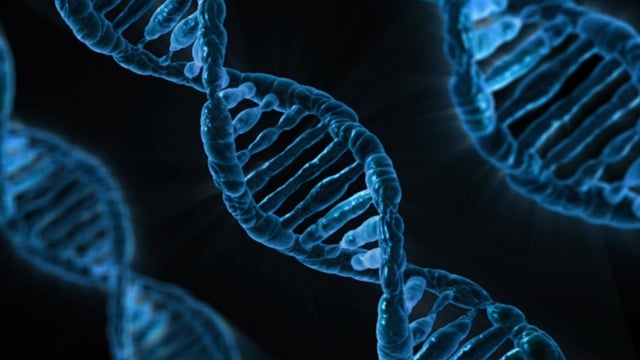
Another important area of biology is genetics, which deals with the study of heredity and the variation of traits from one generation to the next. Genetics is critical for understanding the evolution of species, as well as for developing new treatments for genetic disorders. In addition, the field of molecular biology is concerned with the study of genes and the molecular processes that regulate their expression.
Ecology and Biodiversity
Ecology is the study of the relationships between organisms and their environment. It deals with the distribution and abundance of species, as well as the interactions between organisms and their physical and biological surroundings. In ecology, researchers study the effects of climate change, habitat destruction, and other environmental factors on species populations and ecosystems. Additionally, the field of biodiversity research is concerned with understanding the diversity of species and ecosystems, as well as their importance for maintaining the balance of the Earth's ecosystem.
Importance of Biology
Biology is a crucial field of study that has far-reaching implications for human society and the natural world. It provides us with a deeper understanding of the living world, as well as the tools we need to solve some of the world's most pressing problems. From developing new treatments for diseases to preserving biodiversity, biology is essential for improving human health and well-being, as well as for protecting the environment.
In conclusion, biology is a fascinating and rapidly advancing field that provides us with a deeper understanding of life and all its forms. From cells to ecosystems, biology helps us unlock the mysteries of the natural world and provides us with the knowledge we need to make informed decisions about our future.
Dr. Soha Sobhanian
Professor of Biology & Anatomy & Physiology · SBVC
Dedicated to inspiring students through science and critical thinking. President & Co-Founder of the Breeze of Joy Foundation.
About Dr. Sobhanian

Discussion (0)
Leave a Comment