
Exploring the World of Plant Biology: Structure, Function, and Beyond
Plant biology is a scientific discipline that studies the structure, function, growth, development, and evolution of plants. It encompasses a wide range of topics including the molecular biology of plant cells, the anato

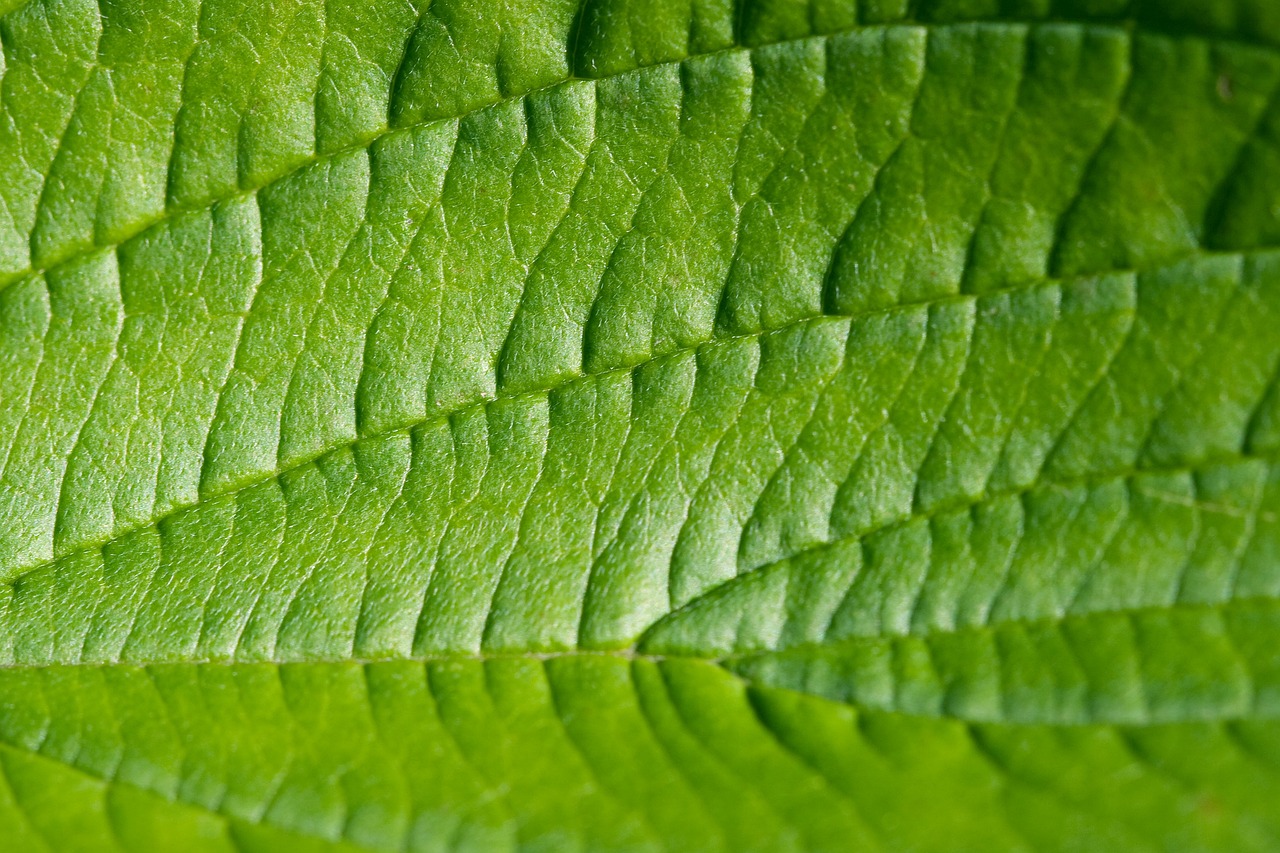
Plant biology is a scientific discipline that studies the structure, function, growth, development, and evolution of plants. It encompasses a wide range of topics including the molecular biology of plant cells, the anatomy of plant organs, the genetics of plant development, and the ecology of plant populations.
Plants are unique among living organisms in their ability to synthesize their own food through photosynthesis. They do this by using the energy from sunlight to convert carbon dioxide and water into glucose and oxygen. This process provides the energy source for the growth and development of the plant, as well as the oxygen that is released into the atmosphere.
The anatomy of plants is also a key area of study in plant biology. For example, scientists study the structure of the root, stem, leaves, flowers, and seeds of different plants. They also look at the way that plant cells are organized into tissues, such as the phloem, xylem, and epidermis. This knowledge is important for understanding how plants grow, how they respond to environmental stimuli, and how they defend themselves against pests and diseases.
Another important aspect of plant biology is genetics. Scientists study the genetic makeup of plants to understand how they develop and evolve. This knowledge is useful for developing new crop varieties that are better adapted to different climates, soil types, and other environmental factors. It is also used to develop new methods for improving the yield and quality of crops, as well as for controlling plant diseases and pests.
In addition to these core areas of research, plant biology also encompasses a number of interdisciplinary fields, such as plant-microbe interactions, plant-animal interactions, and plant ecology. These areas of research explore the role that plants play in ecosystems, including their interactions with other organisms and their impact on the environment.
In conclusion, plant biology is a fascinating and complex scientific discipline that plays a crucial role in understanding the biology of plants, and in developing new strategies for improving food production, protecting the environment, and conserving plant biodiversity. Whether you are interested in the molecular biology of plant cells, the anatomy of plant organs, the genetics of plant development, or the ecology of plant populations, plant biology has something to offer for everyone.
Dr. Soha Sobhanian
Professor of Biology & Anatomy & Physiology · SBVC
Dedicated to inspiring students through science and critical thinking. President & Co-Founder of the Breeze of Joy Foundation.
About Dr. Sobhanian


Discussion (0)
Leave a Comment