
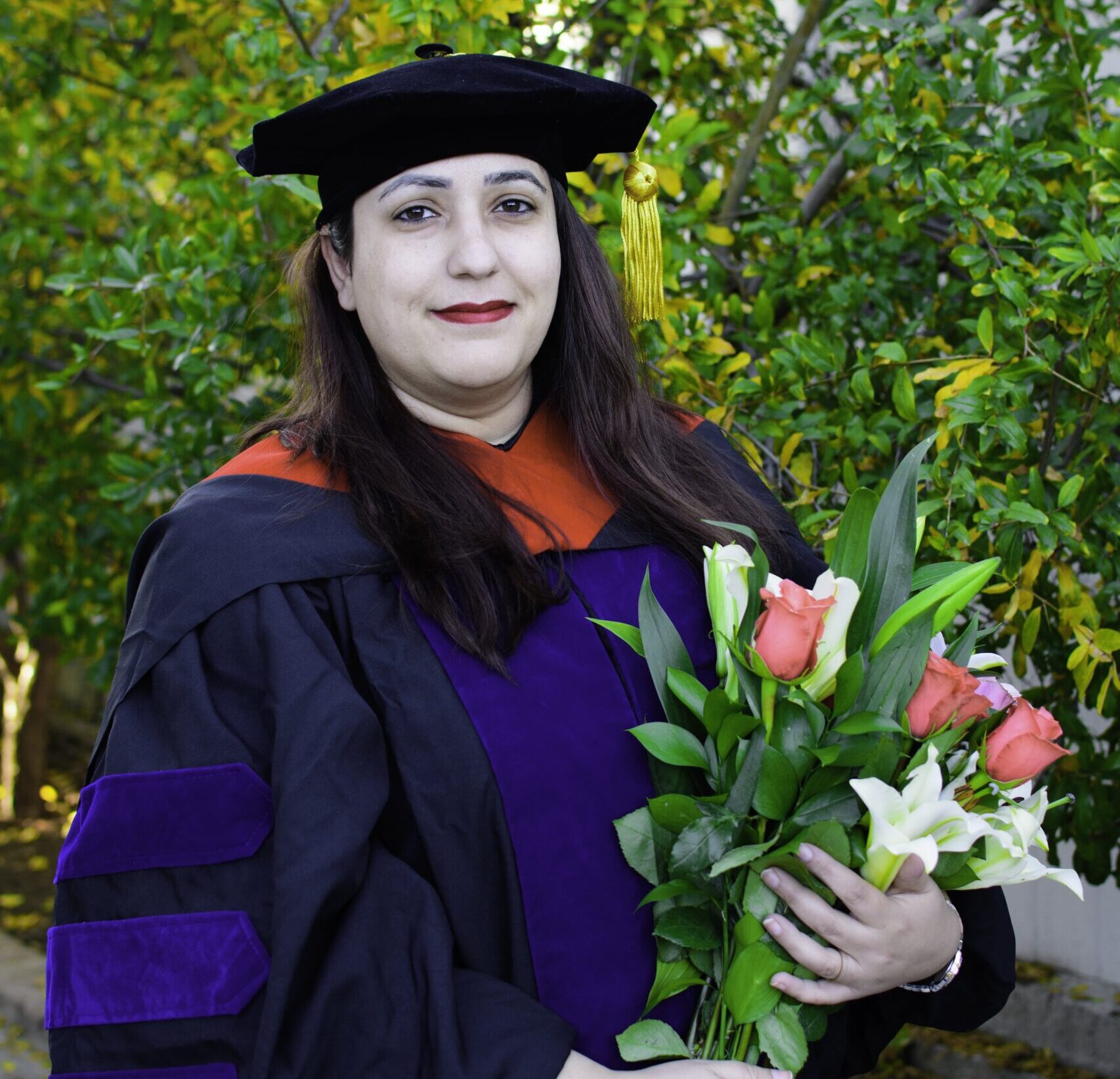

Every semester, I stand in front of a lecture hall full of students who are learning how the heart pumps blood, how nerve impulses travel, and how the kidneys balance the body's fluids. Many of them are also working night shifts, raising children, or becoming the first in their families to set foot on a college campus. Over the years, I have learned that some of the most important science I teach happens outside the textbook, in the places where education meets community need.
Why I Stepped Off the Lecture Stage
When I began volunteering with local nonprofit organizations, I assumed my contribution would be technical: explaining a concept, reviewing a lab procedure, maybe helping a student prepare for an exam. I was partly right. What I did not anticipate was how much the work would teach me about leadership.
Nonprofit organizations run on people who choose to show up. No paycheck brings a volunteer back on a Saturday morning, so the real leadership question becomes: how do you make people feel that their time matters? I have watched small community health fairs succeed or stumble based on whether someone took the time to thank the volunteer who set up folding tables at six in the morning.
Scholarships as a Form of Social Investment
Scholarships are often described as financial aid, and they are. But from where I sit, they are also a statement about who a community believes belongs in science. An award that covers textbooks or a semester's transportation can be the difference between a student finishing a nursing prerequisite sequence and dropping out in the middle of it.
I have served on review panels and helped students draft personal statements. The pattern is consistent: students who doubt they qualify often have the strongest stories. A student who returned to college after a layoff, or who translated medical forms for her family, understands human physiology in ways no textbook can capture. Good scholarship programs look past transcripts and ask what a student will do with an opportunity.
What Makes a Scholarship Program Work
- Clear eligibility language that students can understand without a counselor
- Application support, such as essay workshops and proofreading
- Follow-up mentoring so awards lead to persistence, not just a check
- Transparent selection criteria that reflect the community's goals
Volunteering Without Burning Out
I want to be honest about something many advocates avoid saying: volunteering can become a trap. Scientists and educators are especially prone to it because we are used to being the people who fix problems. Over time, I learned to set boundaries. I commit to one or two recurring roles rather than saying yes to everything, and I treat my teaching load as the foundation everything else builds on.
Burnout also harms the organizations we serve. Nonprofits that depend on a few exhausted leaders are fragile. Strong leadership means developing other people, documenting processes, and sharing responsibility so the mission survives when any one person steps back.
Social Impact Starts With Specific Questions
In biology, we are trained to define precise questions before designing an experiment. The same discipline helps in community work. Instead of asking, ‘How can we help students?’ I now ask, ‘Which students are leaving the biology sequence in their first year, and what barrier comes up most often?’ Specific questions lead to targeted solutions, and targeted solutions are far easier to measure.
Measurement matters. When a program claims success, I want to see retention numbers, completion rates, or documented changes in student confidence. Impact stories are powerful, but they work best alongside data.
What I Hope You Take Away
Whether you are a student, a working professional, or someone who has never considered volunteering, you do not need a title to lead. You need consistency, curiosity, and respect for the people you serve.
A Practical Takeaway for This Week
Choose one local nonprofit that aligns with a skill you already have. Send a short email offering two hours a month for a specific task, such as tutoring, reviewing a flyer, or staffing a registration table. Ask what success looks like for their program, then keep your commitment for at least three months. Consistency builds trust, and trust is what turns good intentions into lasting community impact.


Discussion (0)
Leave a Comment