
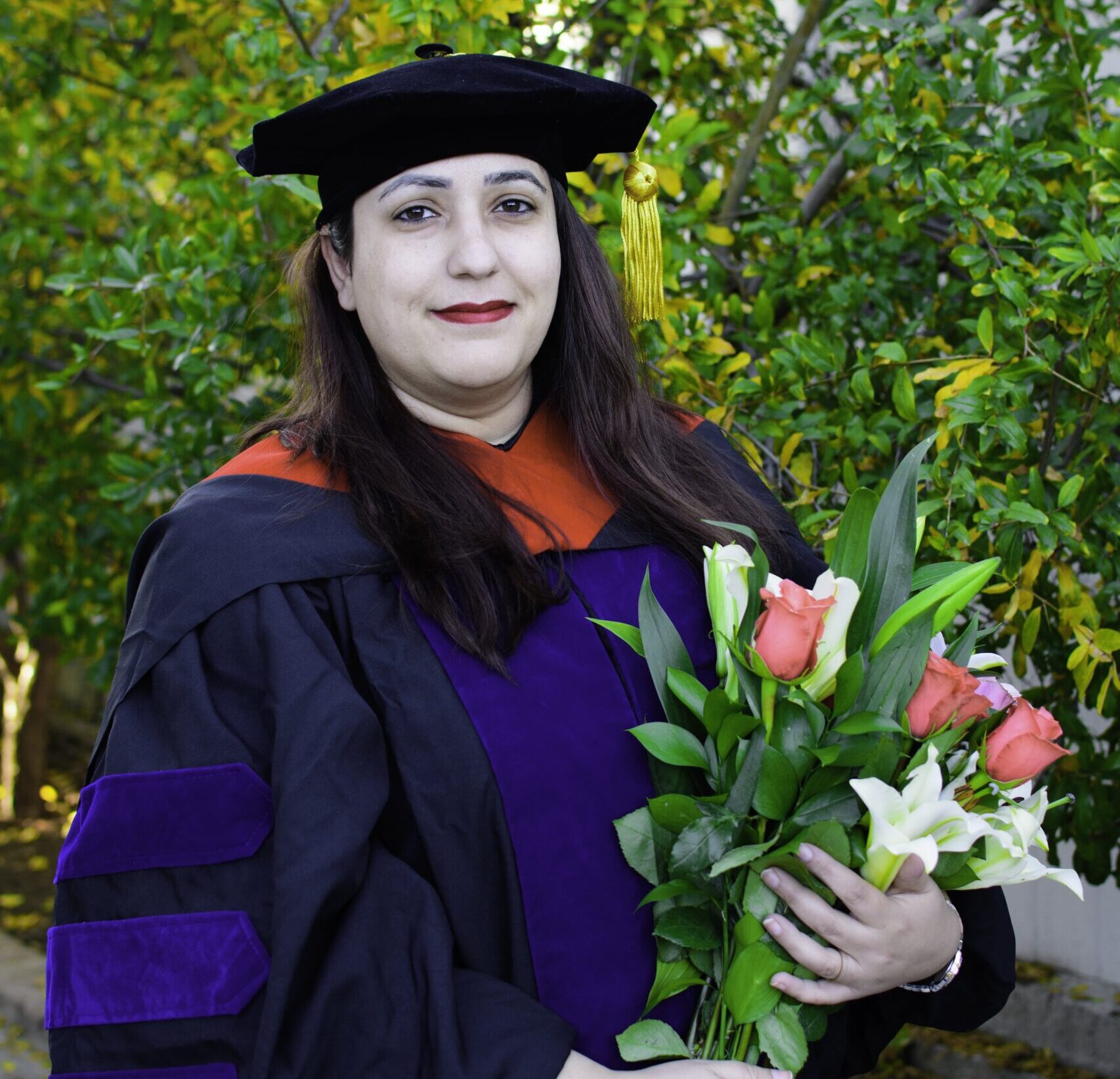

Every semester, I watch a quiet transformation happen in my anatomy and physiology lab. A student who arrived convinced they were "not a science person" starts asking sharp questions about how the kidneys regulate blood pressure, or why a single enzyme change can ripple through an entire organ system. Most of the time, the turning point is not a textbook chapter. It is a person who showed up, believed in them, and made the path feel possible.
I teach at San Bernardino Valley College, where many of our students are first-generation college learners, working parents, or young adults balancing jobs with coursework. Over the years, I have come to see that scholarship programs and volunteer networks do far more than cover tuition. They build the scaffolding that keeps students enrolled long enough to discover what they are capable of.
Why Money Alone Is Not Enough
Financial aid is essential, and I am grateful for every dollar that keeps a student from dropping out over a bill. But I have seen students receive a scholarship and still struggle. They do not know how to approach a professor during office hours, they are unsure how to read a research article, or they feel like impostors in a room full of peers who seem more prepared.
Scholarships work best when they come paired with human connection. A donor who writes a handwritten note, a volunteer who reviews a lab report with a student, or an alumni mentor who explains how to apply to a university transfer program can close gaps that no check ever could.
Lessons From Leading Community Support
Over the past several years, I have helped coordinate peer tutoring and mentoring efforts for science students, working alongside local volunteers and nonprofit partners. A few lessons have stayed with me.
Leadership Starts With Listening
The most effective programs I have seen did not begin with a grand vision written by a board. They began with someone asking students what was getting in their way. Some said they could not afford lab fees. Others said they worked night shifts and could not attend tutoring at 2 p.m. Real leadership means adjusting the program to fit those realities rather than expecting students to adapt to a rigid schedule.
Volunteers Need Clear Roles
Well-meaning volunteers often want to help but do not know where they fit. When I started recruiting volunteers for our science support sessions, I learned that specific, bounded commitments worked far better than vague invitations. A retired nurse who agrees to review medical terminology for one hour a week is far more likely to return than someone asked to "help out sometime."
Measure What Matters
It is tempting to measure a program by the number of dollars awarded or volunteers signed up. I encourage a broader view. Ask whether students persist from one semester to the next, whether they feel comfortable seeking help, and whether they begin to see themselves as contributors to their field. Those outcomes are harder to quantify, but they are the heart of social impact.
The Ripple Effect of One Mentor
In biology, we often talk about how small changes in a cell can cascade into large effects across the body. Community work follows a similar pattern. When one student finishes a degree, they often become a tutor, a volunteer, or a donor themselves. I have had former students return to campus as nurses, environmental scientists, and lab technicians who now mentor the next generation. That cycle is the most rewarding outcome I can imagine.
Social impact is not always visible in headlines. It lives in a student finally understanding a concept on the third try, in a volunteer who shows up every Tuesday for two years, and in a scholarship recipient who writes a thank-you letter that begins with the words "You believed in me before I did."
Your Practical Takeaway
Whether you are a nonprofit leader, a volunteer, or someone who simply wants to make a difference, you can start small and still create meaningful change. Here is where I would begin:
- Ask before you assume. Talk directly with the people you hope to serve about their barriers and priorities.
- Offer specific, time-bound roles. A defined commitment of one or two hours a week is easier to sustain than an open-ended promise.
- Pair money with mentorship. If you fund a scholarship, consider adding a check-in, a study group, or a connection to a professional in the field.
- Track persistence, not just totals. Watch whether people stay engaged, return, and grow over time.
- Close the loop. Thank volunteers and donors specifically, and share stories of impact so they can see the results of their effort.
If you have been thinking about getting involved, I encourage you to take the first step this week. Send that email, sign up for that tutoring shift, or sit down with a student and ask what they need. You may never see the full ripple of what you start, but I can promise it will reach further than you expect.



Discussion (0)
Leave a Comment