

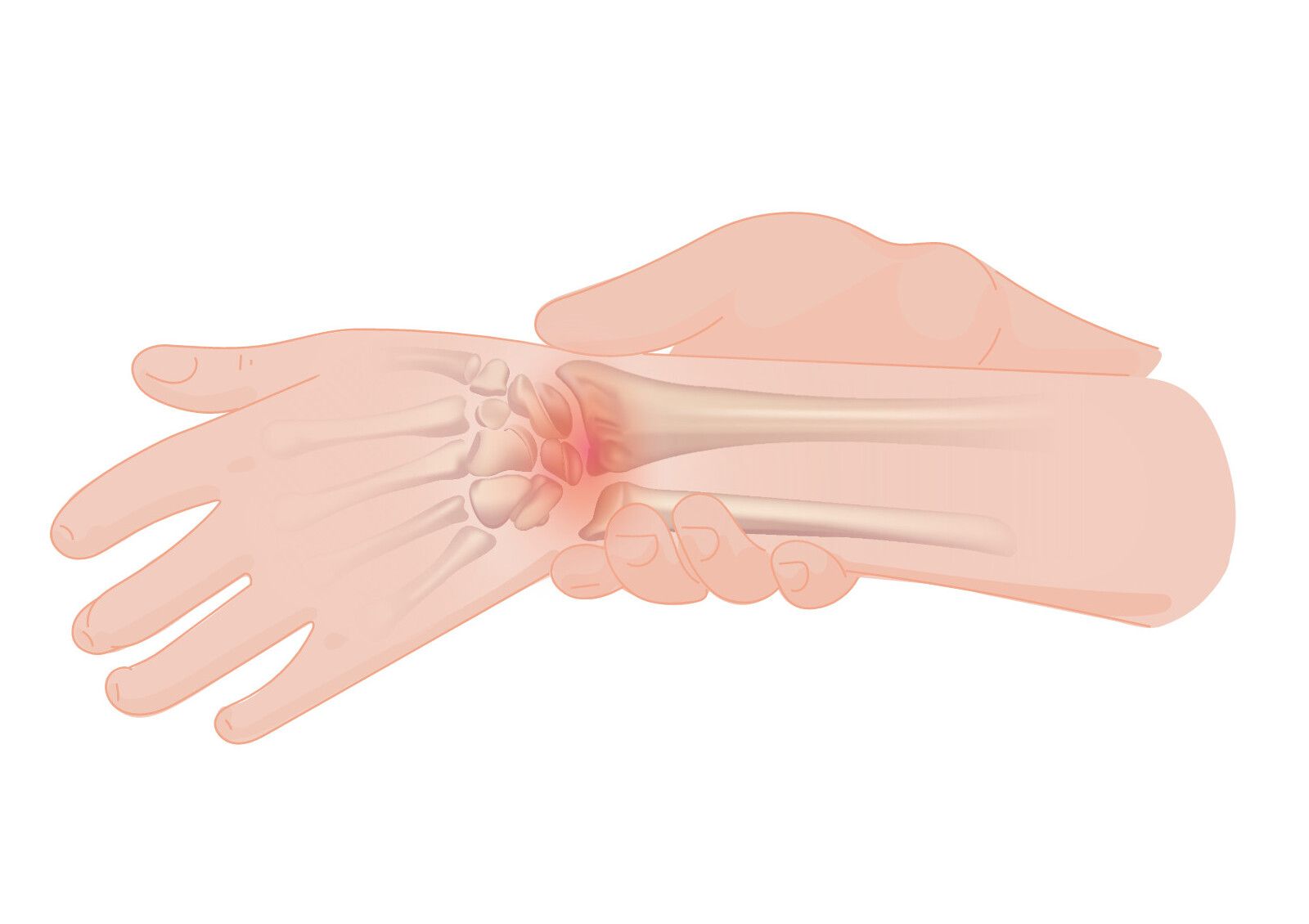
A Systemic Failure in Pain Management
In 2001, the Institute of Medicine published a landmark report documenting that women are undertreated for pain compared to men across a wide range of conditions. Twenty years later, the research has only grown more compelling — and more troubling. Women presenting to emergency departments with acute pain wait longer for medication, receive lower doses of opioid analgesics, and are more likely to be given sedatives rather than analgesics than men with the same reported pain levels. They are also significantly more likely to have their pain attributed to psychological causes.
This is not anecdote. It is data. And it has consequences for millions of patients.
The Evidence
Key findings from the research literature:
- Women wait an average of 65 minutes to receive pain medication in emergency departments; men wait 49 minutes — for the same chief complaint
- Women are more likely to be prescribed antidepressants or anti-anxiety medications for pain conditions while men are prescribed opioids
- Autoimmune diseases — which disproportionately affect women (75% of patients) — took an average of 4.6 years to diagnose, with women often told their symptoms were "stress" or "hormonal"
- Endometriosis affects approximately 10% of women of reproductive age — yet the average time to diagnosis is 7 to 10 years
- Heart attack symptoms in women differ from the "classic" presentation (which was established on male patients), leading to delayed recognition and higher mortality rates
Why Does This Happen?
Several factors drive the pain gap:
- Historical research bias: Until 1993, women were routinely excluded from clinical trials — the assumption being that male physiology was the universal default. Decades of treatment protocols were built on data that simply did not include half the population.
- Gender stereotypes: Deep cultural narratives associate women with emotional expressiveness and men with stoicism, leading clinicians to consciously or unconsciously discount women's pain reports as "exaggerated"
- Medical education gaps: Sex and gender differences in disease presentation have historically received minimal coverage in medical curricula
- Patient behavior shaping: Women who have been dismissed previously learn to minimize their complaints — which further delays appropriate care
The Path Forward
Addressing health disparities requires change at every level of the healthcare system:
- Medical education must integrate sex- and gender-specific medicine throughout the curriculum, not as an afterthought
- Research funding agencies must require sex-disaggregated data reporting in all clinical research
- Clinicians must be trained to recognize and counter their own implicit biases
- Patients — particularly women — should be empowered to advocate for themselves, request second opinions, and bring detailed documentation of their symptoms to appointments
Why This Matters to Me
As a biology educator and a woman, the pain gap is personal. I teach future healthcare providers. The most important lesson I can convey is that evidence-based medicine demands we question our assumptions — including the assumption that "normal" means "male." Every student who leaves my classroom with a deeper understanding of sex differences in physiology and disease is one more clinician who will listen more carefully, diagnose more accurately, and treat more equitably.



Discussion (0)
Leave a Comment