
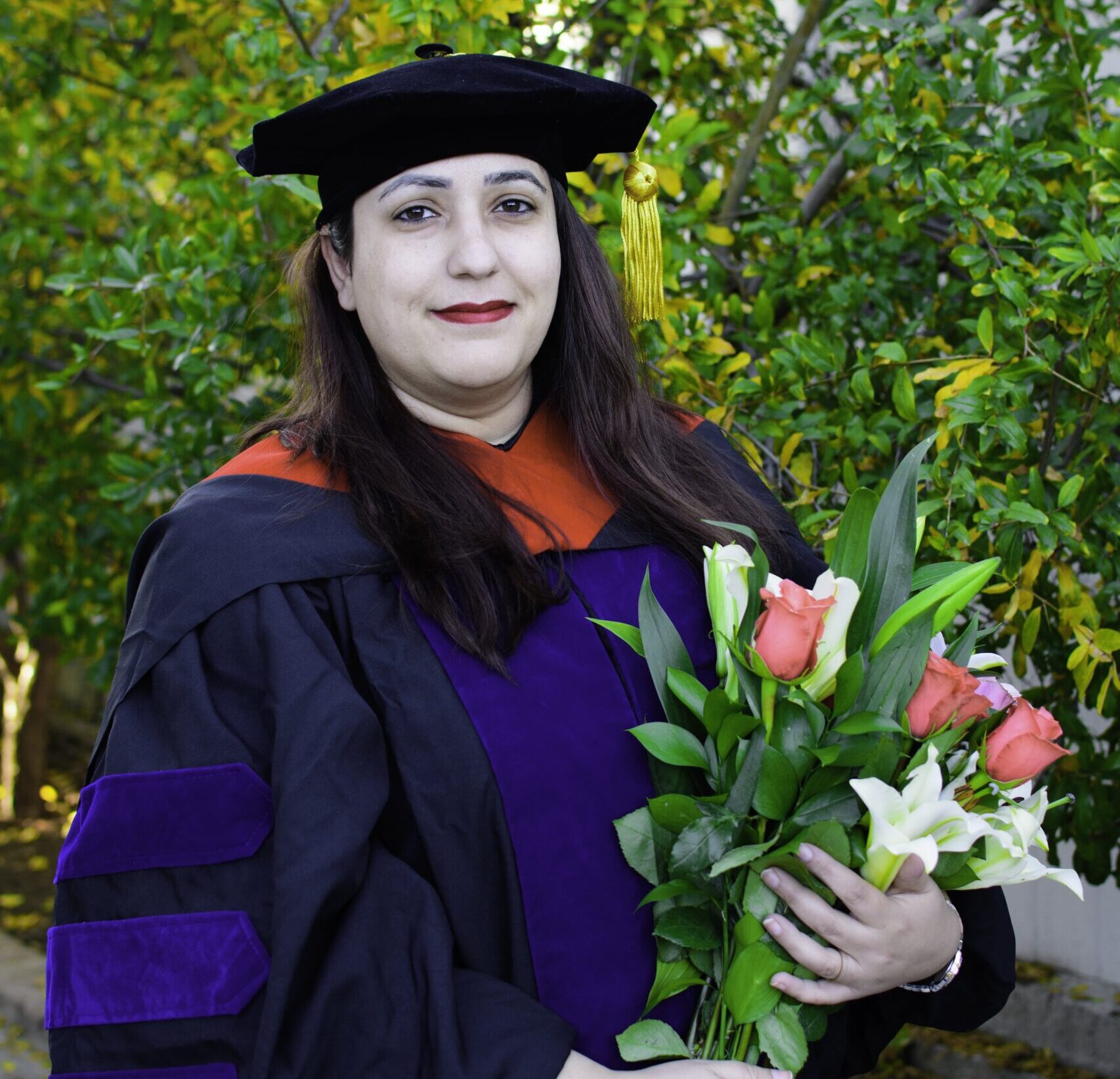

Every semester, I watch students walk into my anatomy and physiology lab carrying more than textbooks. Some are working night shifts at warehouses. Some are the first in their families to set foot on a college campus. Many carry a quiet question underneath everything else: does someone like me belong in science?
After more than two decades teaching biology at San Bernardino Valley College, I have come to believe the answer depends less on natural talent than on whether someone shows up for them. That is why nonprofit leadership, volunteerism, and scholarship programs matter so much. They turn good intentions into real bridges across the gaps that keep capable students from finishing their degrees.
What Students Actually Need
Textbooks explain the Krebs cycle. They rarely explain how to ask a professor for help without feeling foolish, how to schedule a lab around a bus route, or how to decide between rent and a required lab fee. Those barriers are often what determine whether a student stays enrolled.
Nonprofit organizations are uniquely positioned to address these gaps. They can move faster than institutions, respond to specific community needs, and build relationships that last beyond a single semester.
Mentorship Beyond the Syllabus
The most powerful intervention I have seen is not a grant or a fancy piece of equipment. It is a consistent adult who checks in. A volunteer mentor who asks, "How did your exam go?" and then remembers the answer next week can change a student's sense of direction.
Some of the most effective programs I have collaborated with pair students with working scientists, nurses, engineers, and public health workers from the community. These mentors do not need to be experts in every topic. They need to be reliable, honest, and willing to share how they navigated their own uncertainty.
Volunteering Without Burning Out
Many people want to help but worry they lack the time or the credentials. From my experience, sustainable volunteering looks modest and specific. Here is what tends to work:
- Commit to one clear role, such as a monthly study group or a resume review session.
- Set boundaries on availability and communicate them early.
- Ask the organization what it needs most, rather than assuming.
- Keep a simple record of what you contributed so you can see your impact over time.
Volunteer leaders also benefit from clear structures. Organizations that provide training, check-ins, and recognition retain their people far longer than those that rely on enthusiasm alone.
Scholarships That Do More Than Pay Tuition
Scholarships are often described as financial transactions, but the best ones function as ongoing support systems. A check for six hundred dollars helps. A scholarship that also connects a student to a mentor, a summer research opportunity, or a campus advising team can change the trajectory of a career.
When I review applications for science-focused awards, I look for evidence of persistence rather than a perfect transcript. A student who repeated a course while working full time and still earned a B has demonstrated something a straight-A record may not reveal. Programs that recognize this kind of resilience tend to reach students who would otherwise be overlooked.
Donors and program leaders can strengthen their impact by tracking outcomes beyond the award itself. Did the student re-enroll? Did they complete the transfer course? Did they pursue a health or science career? Honest data helps programs improve and helps donors see where their money truly goes.
A Practical Takeaway
If you want to create social impact through a nonprofit, volunteer role, or scholarship program, start with one specific action this month rather than a vague commitment for the year. Here is a simple plan you can use:
- Identify one local school, library, or community college program that serves students who lack traditional academic support.
- Ask a staff member what barrier most often causes students to drop out, then offer help that addresses that exact barrier.
- Commit to a defined schedule, such as one hour every two weeks, and keep that promise for at least one academic term.
- If you have resources to give, consider funding a service that removes friction, like textbook assistance, transportation vouchers, or emergency grants, alongside traditional awards.
Students do not need heroes. They need people who stay. When enough of us decide to be consistent, the classroom becomes a place where a nervous first-generation student can look up, see someone who believes in them, and realize that science has room for them too.


Discussion (0)
Leave a Comment