
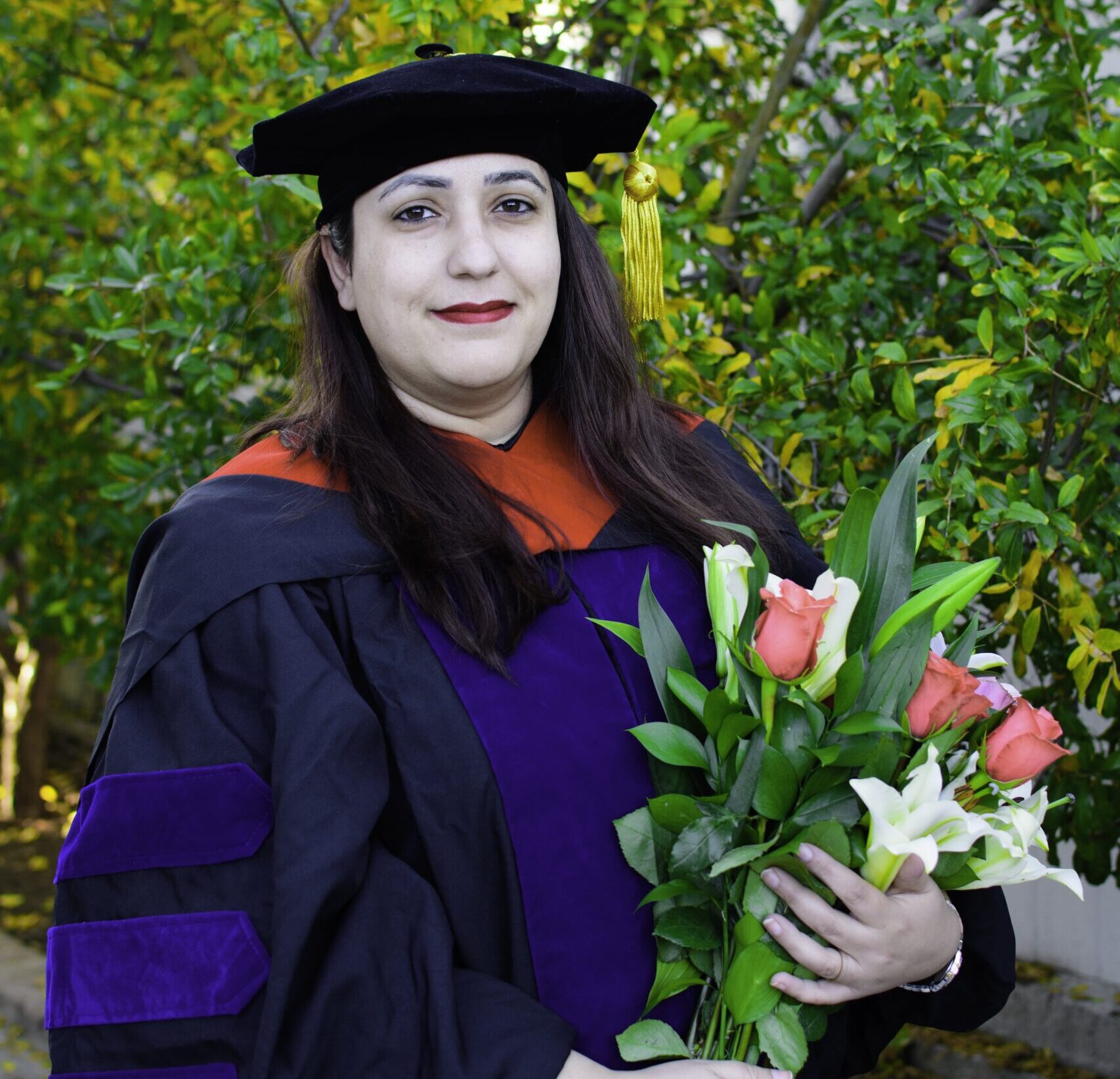

For more than two decades I have taught anatomy and physiology at San Bernardino Valley College, and I have come to believe that the most important lessons in my classroom are not always about the human body. Some of the most valuable ones come from watching a student walk across the stage at graduation after years of working nights, raising children, or commuting from three cities away. Behind many of those moments stands a nonprofit program, a scholarship, or a volunteer who decided that someone else's education was worth their time.
The Quiet Power of a Small Award
Several years ago, I worked with a first-generation student who was passing every exam but kept missing lab sessions. When I finally asked her why, she told me she had been choosing between buying the required lab manual and paying for groceries. A modest textbook grant from a local community foundation solved the immediate problem, but what she said afterward stayed with me. She told me that someone had believed she belonged in a science course. That belief, she said, was what kept her going.
Scholarships are often described in terms of dollar amounts, but in my experience their deepest effect is psychological. A small award signals that a community is invested in a particular person. For students who have never seen someone like them in a white coat, that signal matters enormously.
What Good Nonprofit Leadership Looks Like
I have served on advisory committees and volunteer boards where I watched some organizations thrive and others quietly stall. The difference rarely came down to money. It came down to leadership that was clear about its purpose and honest about its results. Effective nonprofit leaders tend to share a few habits:
- They define success in terms of people served, not just funds raised.
- They listen to the students, clients, or residents they exist to help, and they change programs when those voices point to a problem.
- They recruit volunteers thoughtfully and give them meaningful roles rather than busywork.
- They track outcomes over time, even when the numbers are uncomfortable.
As a scientist, I appreciate organizations that treat their work like an experiment. They form a hypothesis about what helps people, test it, measure the result, and revise. That discipline is rare in the nonprofit world, but it is exactly what separates a feel-good initiative from a durable source of social impact.
Volunteering Beyond the Calendar
Many people assume volunteering means a few hours on a weekend, and that is certainly one form of service. But some of the most meaningful volunteer work I have seen is sustained and specific. A retired nurse who reviews students' practice exams for a year can do more for a nursing applicant than a dozen one-time donations. A working professional who offers monthly résumé feedback to community college students can open doors that a scholarship alone cannot.
The lesson I share with my students is simple: match your skills to a real need, and commit long enough to see the results. Consistency builds trust, and trust is what allows volunteers to become genuine mentors.
Why Mentorship Multiplies Impact
A scholarship pays a bill once. A mentor can shape a student's sense of what is possible for years. In my courses, I have seen students who were unsure they could finish a biology major gain confidence simply because someone outside the classroom asked about their goals and followed up. Mentorship is one of the most affordable and underused forms of social investment available to any community member.
A Practical Takeaway
If you want to strengthen your community through nonprofit work, scholarships, or volunteering, start with one concrete step this month rather than waiting for the perfect opportunity. Here is a simple plan you can follow:
- Identify one local organization whose mission you genuinely understand, and ask what problem it most needs help solving.
- Offer a specific skill you already have, whether that is tutoring, editing, accounting, or simply showing up consistently.
- Commit to a defined period, such as one semester, so both you and the organization can measure what you contribute.
- If you have financial resources, consider funding a small, targeted scholarship or supply grant rather than a large gift with no clear recipient.
- Ask for feedback from the people you serve, and be willing to change your approach based on what you hear.
Social impact rarely arrives as a single dramatic event. It accumulates through reliable people doing modest, well-chosen work. The student in my lab who once could not afford a lab manual now mentors first-year students herself. That ripple is the real measure of what we build together, and it is available to anyone willing to start.



Discussion (0)
Leave a Comment